Marcus Biel.

Working with Marcus

Working with Marcus Biel

You hire me directly. I lead the technical work and write code. I can join your development team or bring in a specialist when the project needs one.

I’ve worked with Java since 2001 and independently since 2019. Read how I got into software development.

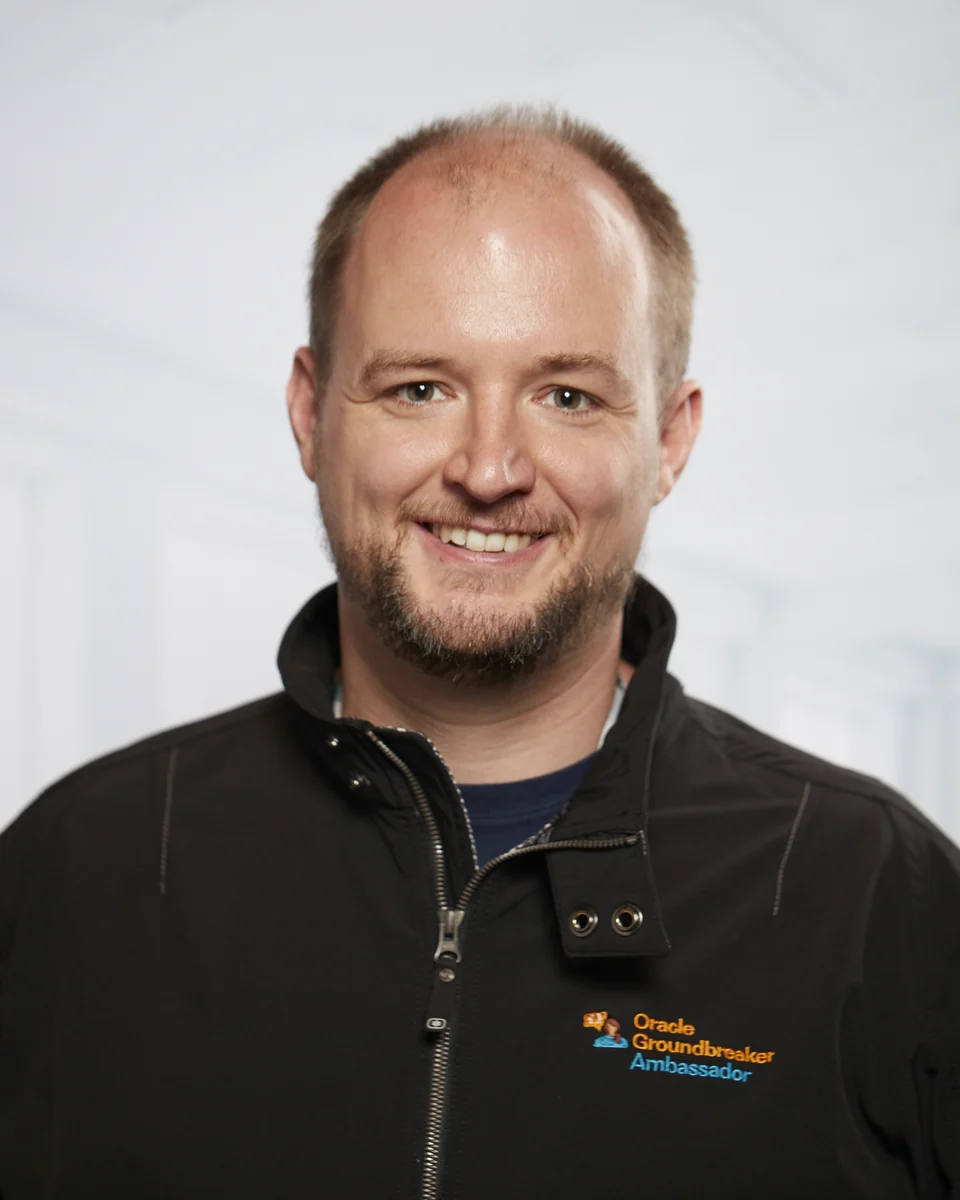
Portrait of Marcus Biel

What running Maildroppa taught me

My work continues long after the first release. On Maildroppa I see what happens when customers start using a feature and where the design needs to change.

I work on the product, its integrations, and the systems that keep it running. Questions from customers often shape what I build next.

I bring those same questions to client work. How will people use the application? Which features belong together? What will today’s design make easier or harder to change later?

We can use those answers to set priorities for the first release.

Read the Maildroppa case study

Explore my projects and case studies
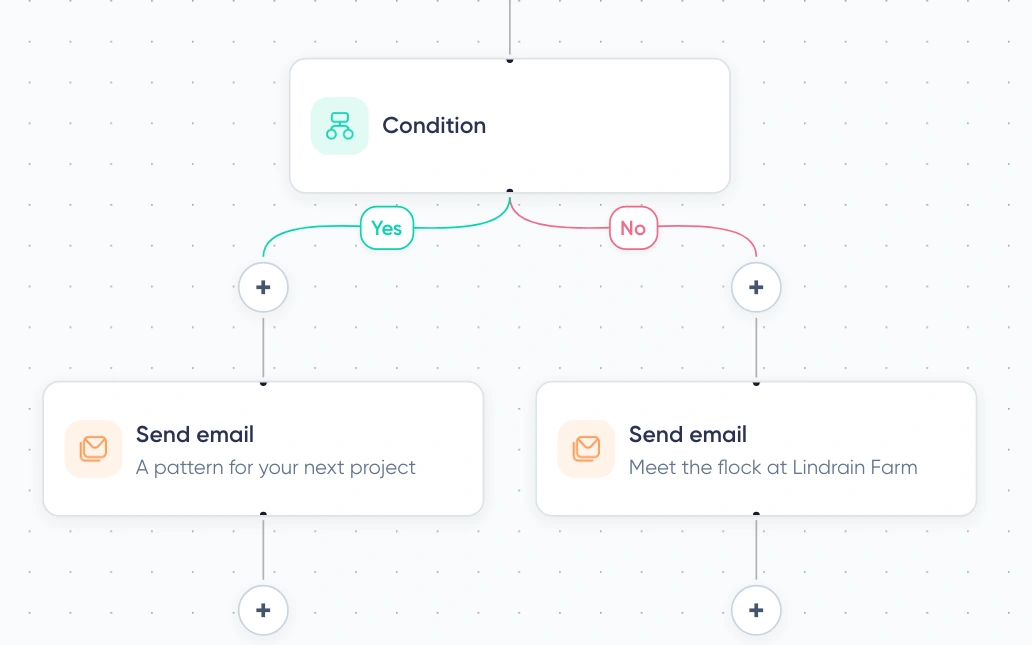
Maildroppa / Automation editor Maildroppa’s welcome sequence branches according to the interests a subscriber selected.
This rule chooses which email a new subscriber receives next.

Who will work on your project?

I’m responsible for the work we agree on. You can come straight to me with questions about the product, priorities, or technical decisions.

If your team needs a product owner, I can take that on too. We agree which product decisions I’ll make and which you want to keep.

Your team stays involved in planning, technical discussions, reviews and releases. We agree up front who else we need for design, development or cloud operations and what each person will do.

Before we start, we’ll talk through a few questions.

  • What would a good result look like for you?
  • Which parts of the work will I own?
  • Who else needs to be involved?
  • Who makes the business and technical decisions?
  • How will we share progress and handle changes?

Everyone knows who to call when a decision needs to be made.

How you can work with me

Have me build an application

You might need a new application, a first release of a SaaS product, or a substantial change to software you already use.

We decide what a useful release looks like. I lead the technical work and help build it.

Explore custom software development

Add an experienced developer to your team

You might need another Java developer, someone to help shape the architecture, or a developer who can take ownership of a change in an existing system.

I work as part of your team. We agree on what I’ll own and how much time you’ll need from me each week.

Work with a freelance Java developer and architect

Work through a technical decision

You might be weighing a design choice, planning a new service, or wondering why a familiar application has become hard to change.

We start with the question you need answered. I review the relevant code or design and give you my findings, the trade-offs, and a recommendation.

Software architecture and reviews

Agile mentoring

How do we know we’re building the right thing?

I first worked with Scrum around 2009. Since then I’ve worked with Kanban, scaled Scrum and SAFe on client projects. I’ve seen an estimate turn into a promise. When the team stays late to keep the line on the burndown chart moving, I call it a “burnout chart”.

For me, working in an agile way starts with trying an early version alongside a customer. If we learn that they need something different, we change what we build next.

We can start with an open request from one of your customers. Suppose she’s asked for an Excel export from an order portal. I’d ask her to show me how she handles orders today. Does she spend each morning looking for orders waiting for approval? We could try showing those orders directly in the portal. Once she’s worked through a real order, she can tell us whether she still needs the export.

Up front, we agree on which deadlines are fixed, what budget we have and which tests the software must pass before release. The team has room to change the design and the order of the work. If a new request takes priority, the developers tell us what they can do well within normal working hours. Together we decide what can wait.

What mentoring looks like on a project

I work alongside your team on something you’re already building. Together with your product owner and developers, we narrow a customer request down to a working version you can show early. We review what users tell us and decide what moves up the backlog. Your team tries the approach on its own work and can carry it on independently.

Discuss agile mentoring

How we work on your project

  1. Start with the outcome you need

    I like to start by watching someone work through a real case. Where does the information come from? Who has to decide what happens next? That is often when the exceptions missing from an initial brief come up.

    I use your team’s terms in the code. When someone brings up an exception in our next conversation, the developers can find the rule under the name everyone already uses.

    If the scope and requirements are clear, I can start development. If questions remain, a design, review or pilot can help answer them.

  2. See the software as it takes shape

    You get to try working features as they take shape. Walk through a familiar task and tell me where the software makes it easier or gets in the way.

    I’ll explain the choices that affect you, including what a change will cost and what it means for the next release.

    I keep a written record of the important decisions.

  3. Set priorities together as the project progresses

    After people have tried the software, we agree which change takes priority, what we expect it to improve and what that means for the effort and scope of the project.

  4. Hand the software over

    Before the handover we agree on the access, documentation and knowledge your team needs, and who will look after the application afterward.

    Handover and support

How we work remotely

I’m based near Munich and work remotely with teams throughout Germany.

We use video calls and written updates, and meet to try out working software. We’ll choose tools and a schedule that suit your team.

If you already have a development team, I follow its practices for planning, technical discussions, code reviews and releases.

Scope, costs, and changes

Before each phase, we agree on the work and how I’ll bill for it.

That could mean a quote for a defined piece of work, a budget for the next release, or a set number of days a week with your team.

For example, I offer a fixed-fee Java build and release review. After an initial call you’ll know the full price before you decide whether to go ahead.

To estimate the work, I look at the features, the systems that need to share data, your existing data, and how you plan to run the application.

If you ask for a change, I’ll explain how it affects the cost and schedule. You can decide whether it belongs in this release or a later one.

How I use AI

I use AI to understand unfamiliar code, explore implementation options and prepare tests. I review and integrate the results and take responsibility for the technical decisions.

Before I use a tool on your project, I agree with you on what code and data it can access.

I check my work against the features and acceptance criteria in our agreement.

Handover and ongoing development

I plan the handover while the software is being built, with the people who will run it.

I work with the team taking over to identify the access, documentation, and practical knowledge they’ll need.

I can continue development and provide agreed support, or prepare a handover to your team or operations partner.

We agree on who will handle new features and who to call if something goes wrong.
My work in the Java community

I was a Developer Advocate at Red Hat and served two years as an elected member of the Java Community Process Executive Committee. I’ve spoken at international conferences and was a technical reviewer for books including Effective Java.

My Java course, conference talks, and work with the JCP
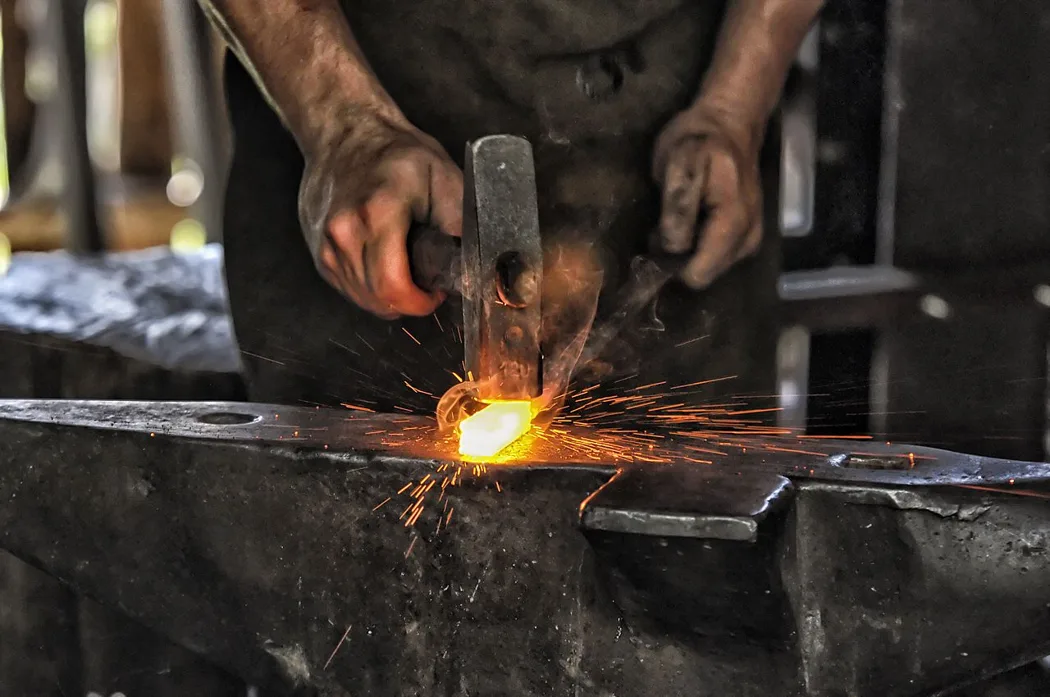
Glowing steel on an anvil.
Illustration of steel being forged on an anvil

Software as a craft

A few hours at the anvil

In a blacksmithing class, I forged a knife from a raw piece of steel. I remember the heat and the effort. What stayed with me was the precision it took to turn that piece of metal into a tool I could use.

I want the software I build to age well, too. Years from now, another developer should be able to read the code, understand why a feature works the way it does, and change it with confidence.

Let's talk about your project

Are you planning a new application, looking to improve existing software or seeking support for your team?

Tell me what you have in mind. We can talk through where I could help and what to tackle first.

Prefer to talk first? Call +49 171 1151013 or message me on LinkedIn.

Talk to me about your project